


★★★★★
Perfect to our needs
“Alina listened to what we wanted and then came back with a plan that was perfect for our needs. She really took the time to figure out our style and find plants that we loved that would also be easy to maintain.” - Lakhinder D.
Native & Pollinator Garden Design in Vancouver for Sustainable Landscapes
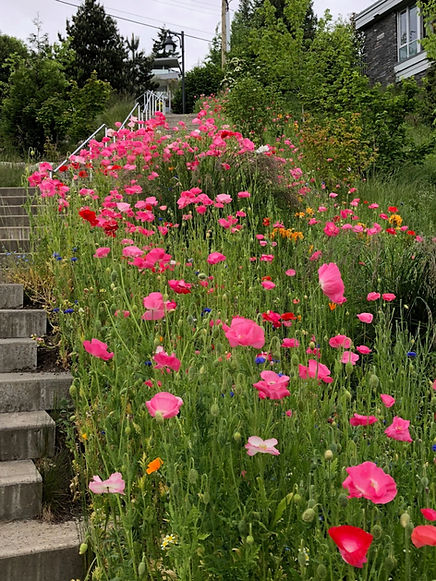
Native and pollinator garden design focuses on creating landscapes that work in harmony with the natural environment. By using locally adapted plant species, these gardens are designed to thrive in Pacific Northwest conditions while supporting biodiversity and ecological balance.
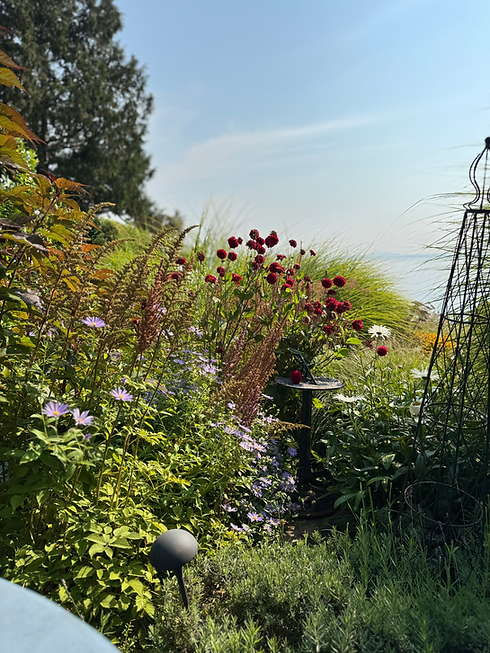
At Alina Gardens Inc., we design native and pollinator gardens in Vancouver that go beyond aesthetics. Each planting plan is carefully developed to reflect the region’s natural ecosystems, using species that are well suited to local soil, climate, and rainfall patterns. The result is a resilient, sustainable landscape that supports pollinators, attracts wildlife, and evolves naturally over time.
The Benefits of Native Plant Landscaping
➤ Reduced Maintenance
Native plants are naturally adapted to the local environment, requiring less intervention once established and reducing the need for ongoing upkeep.
➤ Lower Water Usage
Designed for the Pacific Northwest climate, native plantings rely less on supplemental irrigation and make better use of natural rainfall.
➤ Improved Ecosystem Health
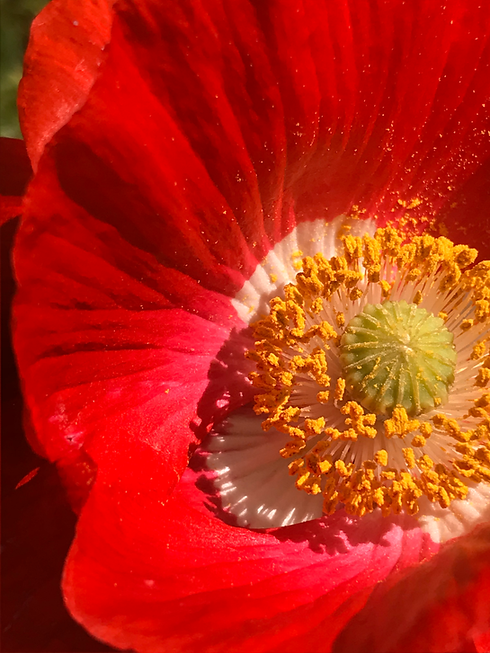
Native gardens support pollinators, birds, and beneficial insects, helping restore ecological balance in urban and residential environments.
➤ Year-round Visual Appeal
With thoughtful plant selection and seasonal variation, native landscapes offer texture, colour, and interest throughout the year.

Why Ecological Landscaping Matters
Ecological landscaping is essential for creating outdoor spaces that are both functional and environmentally responsible. By working with natural systems rather than against them, landscapes can become self-supporting ecosystems that contribute to long-term sustainability.
This approach helps reduce resource consumption, improves soil and water health, and creates habitats that support local wildlife. For homeowners and property developers, it also means establishing landscapes that feel more connected, balanced, and alive—offering a healthier outdoor environment for both people and the surrounding ecosystem.

